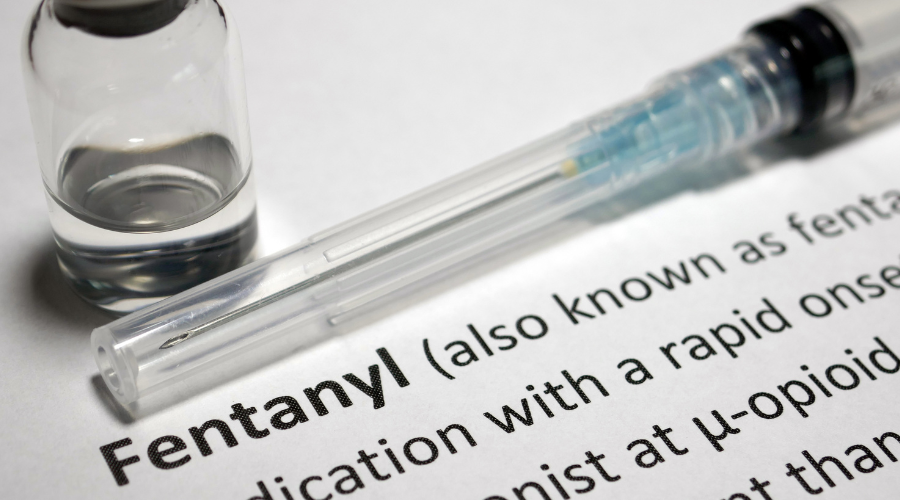
Understanding Fentanyl: Use, Addiction, and Treatment
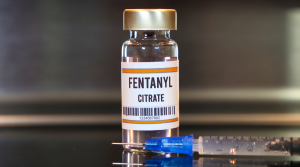
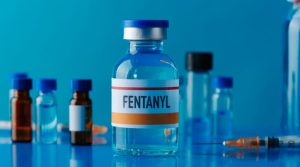
Fentanyl, a powerful synthetic opioid, is a significant contributor to the current opioid crisis. Its medical use for pain management is overshadowed by its potential for abuse, leading to addiction and fatal overdoses. Understanding fentanyl’s impact and exploring effective treatment options is crucial for those affected and for healthcare providers striving to combat this epidemic.
What is Fentanyl?
Fentanyl is a synthetic opioid analgesic, similar to morphine but 50 to 100 times more potent. Initially developed for pain management in cancer patients, it is also used during surgery to prevent pain. However, its high potency makes it a target for misuse. Illicitly manufactured fentanyl, often mixed with other drugs like heroin or cocaine, has significantly increased the risk of overdose and death.
The Path to Addiction
Fentanyl’s addictive potential is exceptionally high due to its potency and the rapid onset of its effects. When used, it binds to opioid receptors in the brain, producing intense euphoria and pain relief. Over time, users may develop tolerance, requiring higher doses to achieve the same effect, which can quickly lead to physical dependence and addiction.
Signs of Fentanyl Addiction
- Behavioral Changes: Increased secrecy, changes in social circles, neglect of responsibilities, and financial problems.
- Physical Symptoms: Weight loss, frequent drowsiness, constricted pupils, and respiratory issues.
- Psychological Symptoms: Mood swings, anxiety, depression, and cognitive impairments.
The Dangers of Fentanyl Abuse
Fentanyl is incredibly potent, and even a tiny amount can be lethal. The risk of overdose is high, especially when the user is unaware that fentanyl has been mixed with other substances. Symptoms of overdose include severe drowsiness, slow or stopped breathing, and loss of consciousness. Immediate medical attention is critical to prevent fatal outcomes.
Treatment for Fentanyl Addiction
Recovering from fentanyl addiction is challenging but possible with the right treatment approach. Here are key components of effective treatment:
1. Medical Detoxification
Detox is the first step, involving the supervised withdrawal from fentanyl. Medical professionals provide support to manage withdrawal symptoms, which can be severe and include anxiety, nausea, vomiting, and muscle pain.
2. Medication-Assisted Treatment (MAT)
MAT combines medications with intensive counseling and behavioral therapies. Medications such as methadone, buprenorphine, and naltrexone can help reduce cravings and withdrawal symptoms, making it easier to focus on recovery.
3. Behavioral Therapy -IOP Program
Cognitive-behavioral therapy (CBT) and other therapeutic approaches help individuals understand their addiction, develop coping strategies, and address underlying issues such as trauma or mental health disorders.
4. Individually tailored Intensive Outpatient Treatment Programs combined with support groups like NA provide a community of individuals who understand the challenges of addiction. Individual and group counseling sessions offer ongoing support and accountability while providing the tools and education to combat triggers and urges as well as relapse prevention.
5. Aftercare Planning is essential
Recovery is a long-term process. Aftercare planning, including continued therapy, support groups, and strategies for relapse prevention. This is crucial for maintaining sobriety.
In Conclusion
Fentanyl addiction is a severe and life-threatening condition, but with comprehensive treatment, recovery is attainable. At our substance treatment facility, we are dedicated to providing compassionate and effective care for individuals struggling with fentanyl addiction. Providing a detailed medical referral network for medical detox and MAT therapy. In conjunction with our comprehensive IOP program, behavioral therapy, and ongoing support, we help individuals reclaim their lives and achieve lasting recovery.
If you or a loved one is battling fentanyl addiction, reach out to GPS Counseling Center for Addiction Treatment. Together, we can overcome addiction and build a healthier, drug-free future.
For more information about our programs and services, please contact us at (209)758-7477 or via email at info@gpscounselingcenter.com.