Fentanyl Statistics for Stanislaus and San Joaquin Counties in 2024 (Part 2)
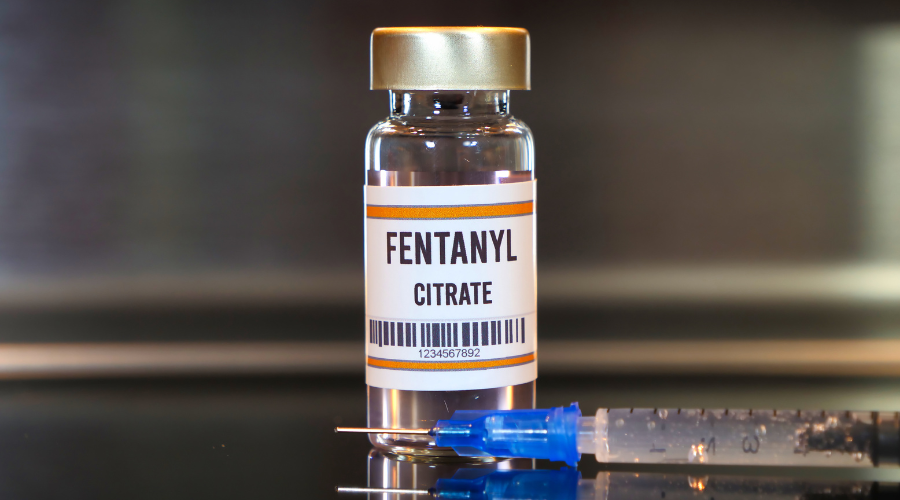
A vial labeled "Fentanyl Citrate" stands upright next to a syringe on a reflective surface, with a blurred background—highlighting the growing concern reflected in recent fentanyl statistics from San Joaquin County.

Stanislaus County In 2024, Stanislaus County continues to grapple with the severe impact of fentanyl. The latest data reveals a disturbing trend, with 48 drug overdose deaths recorded from January to early May. Out of these, 33 were attributed to illegal fentanyl. This ongoing crisis has resulted in four to five county residents dying each […]

Fentanyl in Stanislaus and San Joaquin County (Part 1) 
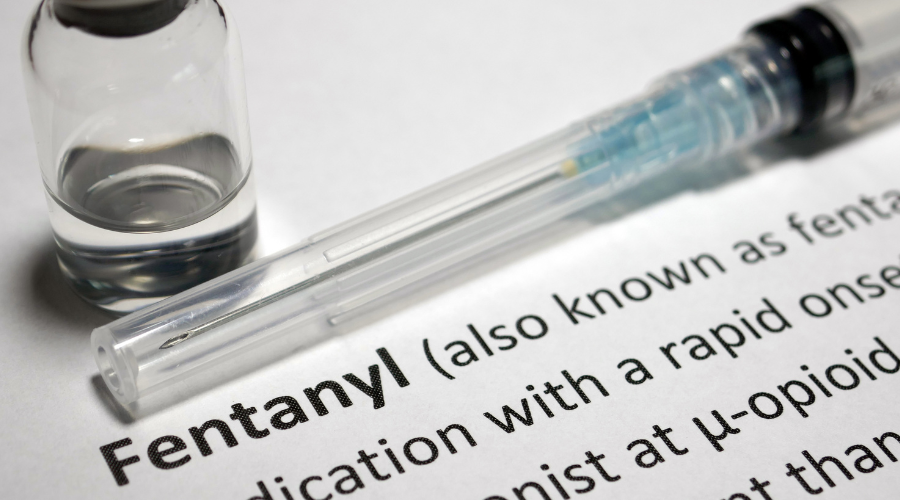
A syringe and a vial rest on a paper displaying the word "Fentanyl" and its partial definition, highlighting concerns about Fentanyl in San Joaquin County.

Understanding Fentanyl: Use, Addiction, and Treatment Fentanyl, a powerful synthetic opioid, is a significant contributor to the current opioid crisis. Its medical use for pain management is overshadowed by its potential for abuse, leading to addiction and fatal overdoses. Understanding fentanyl’s impact and exploring effective treatment options is crucial for those affected and for healthcare […]

The Dangers of Mixing Fentanyl and Xylazine: What You Need to Know
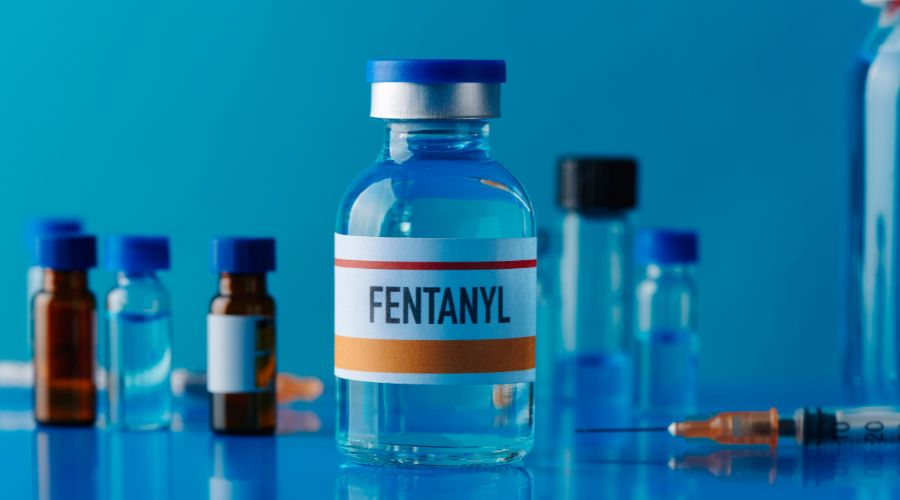
A vial labeled "Fentanyl" sits on a table among other medical vials and a syringe, highlighting the dangers of potent substances like fentanyl and xylazine.

Mixing fentanyl with other chemicals, such as xylazine, can significantly enhance the dangers associated with fentanyl use. Xylazine, which is a veterinary sedative, is sometimes mixed with fentanyl to increase its effects or to create a cheaper product. Here are some of the enhanced dangers: Increased Risk of Overdose: Xylazine can potentiate the effects of […]

IOP vs Inpatient Treatment Facilities

A group therapy session at a treatment facility shows five people seated in a circle. One man appears distressed, while a woman beside him offers comfort with a hand on his shoulder, reflecting the supportive environment of IOP programs.

The effectiveness and utilization of Intensive Outpatient Programs (IOPs) versus inpatient treatment facilities for alcohol and drug addiction vary based on individual needs and circumstances. Inpatient Treatment Facilities: Structure and Intensity: Inpatient programs provide a highly structured environment with 24/7 medical and emotional support, which is particularly beneficial for individuals with severe addictions or co-occurring […]

Red outline of two hands shaking in the shape of a heart, centered on a light beige circular background.

After Care

GPS Counseling Center for Addiction Treatment, we extend our commitment to our graduates and alumni by offering 42 additional weeks of aftercare.
This program permits weekly drop-in sessions, fostering long-term recovery and stability for our graduates.

Simultaneously, these sessions provide essential guidance and encouragement to new participants embarking on their journey to recovery.

Family Therapy

Family therapy provides education and support so family members of loved ones can better understand the role and impact of substance abuse.

Learning how to support a loved one in treatment and after treatment. Addressing issues such as communication, co-dependency, and recognizing how to set boundaries.

Red line drawing of a generic female user icon on a light beige circular background, symbolizing Individual Therapy and personal growth.

Individual Therapy

Individual Therapy provides an opportunity to develop and modify relapse prevention plans, identify triggers and develop coping skills.

Sessions are designed to support clients as they work on the identification and resolution of alcohol and or substance-related problems.

Exploring personal barriers, behaviors, and or challenges in the way of recovery. Uncovering the underlying roots of substance abuse addiction.

Group Therapy

At GPS Counseling Center for Addiction Treatment Intensive Outpatient Program group therapy is the primary mode of treatment. Group therapy allows participants to step out of the shadows of shame, secrecy, and isolation and develop a level of community among fellow participants.

Participants who take part in group therapy sessions can improve their communication skills and build connections with other people who are also working to recover from addictions.

Group therapy reinforces mindfulness and healthy ways of interacting and relapse prevention. Allowing participants to learn from the experiences and perspectives of other people. Those that are newer to recovery noticeably benefit from those who have been sober longer.